The Teen Brain: 7 Things to Know - National Institute of Mental Health (NIMH)
Learn about how the teen brain grows, matures, and adapts to the world.
概览
简介
Key Insights: Understanding the Teen Brain
- Developmental Timeline: While the brain stops growing in size by early adolescence, it continues to mature and fine-tune its functions until the mid-to-late 20s.
- Prefrontal Cortex: This area, located behind the forehead, is one of the last to mature. It governs essential executive functions like planning, prioritizing, and decision-making.
- Social Influence and Risk-Taking: Teens are biologically wired to prioritize peer relationships. Combined with an immature prefrontal cortex, this can lead to increased risk-taking behavior, as the social reward often outweighs potential consequences.
- Neuroplasticity: The teen brain is highly adaptable. Engaging in challenging academics, exercise, and creative pursuits (music, art) helps strengthen brain circuits.
- Stress Sensitivity: Due to ongoing development, teens may process stress differently than adults, which can increase vulnerability to anxiety and depression.
- Sleep Patterns: Biological shifts in melatonin production cause teens to stay up later and wake up later. Chronic sleep deprivation in teens negatively impacts attention, impulse control, and academic performance.
- Mental Health Vulnerability: The convergence of physical, emotional, and neurological changes makes adolescence a peak period for the emergence of mental illnesses, including schizophrenia, depression, bipolar disorder, and eating disorders.
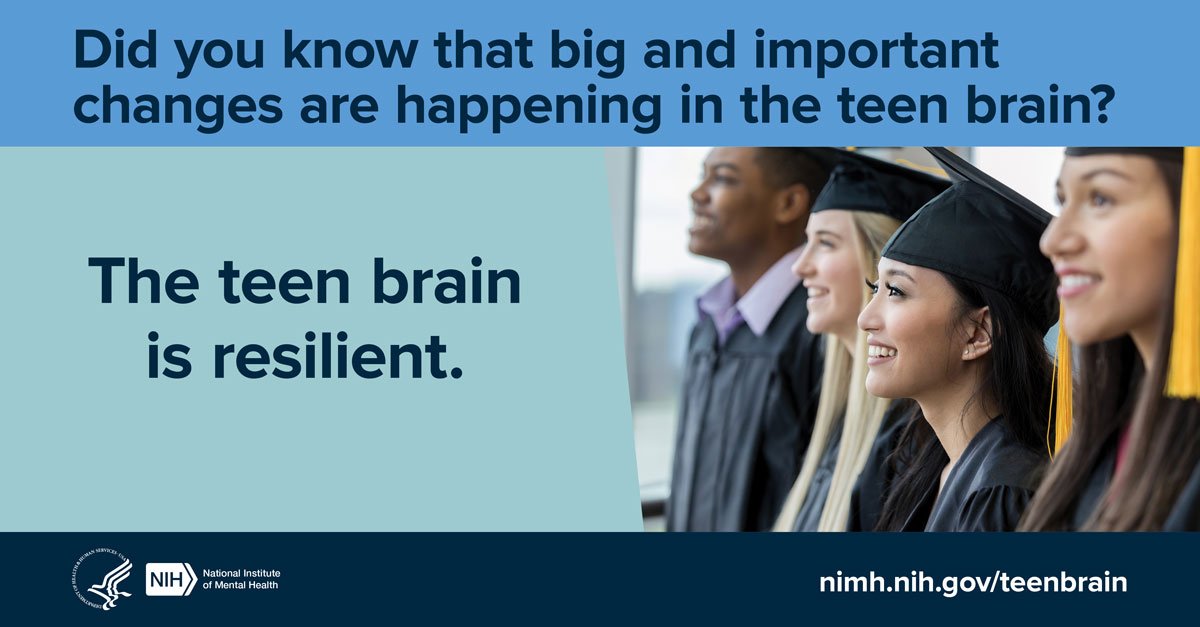
- Resilience: Despite these challenges, the majority of teens develop into healthy adults, and many brain changes during this period actually support long-term mental health and resilience.
- Crisis Resources: If in distress, individuals can contact the 988 Suicide & Crisis Lifeline by calling or texting 988 or visiting 988lifeline.org.
用户评价
暂无已发布的评价,欢迎率先分享您的使用体验。